Understanding the risks of gambling addiction and how to seek help
The Nature of Gambling Addiction
Gambling addiction, also known as compulsive gambling, is a behavioral disorder characterized by an uncontrollable urge to gamble despite the negative consequences that may arise. This addiction can severely affect various aspects of life, including personal relationships, finances, and mental health. Many individuals may start gambling as a form of entertainment, but for some, it quickly escalates into a compulsion that they struggle to control. These alternative platforms, such as uk sites not on gamstop, can offer opportunities for those looking for flexible gambling experiences without self-exclusion restrictions.
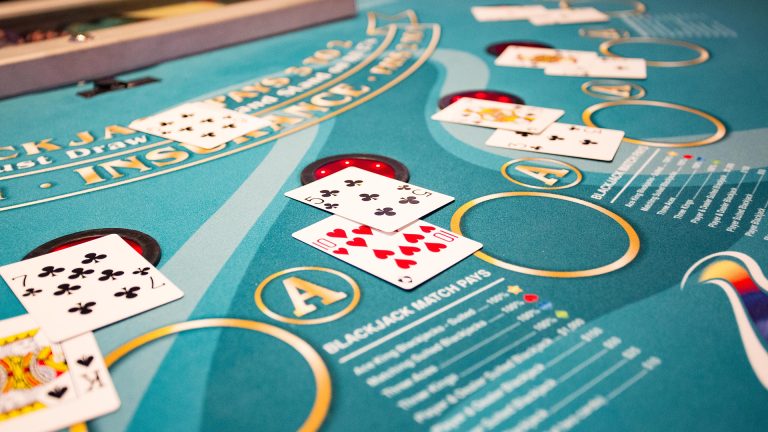
The thrill and excitement of gambling can trigger a release of dopamine in the brain, creating a euphoric feeling that some individuals chase repeatedly. Over time, the need to experience that rush can lead to increased stakes, deeper involvement, and ultimately, addiction. Understanding the psychology behind gambling addiction is crucial in addressing the issue effectively.
Identifying the Warning Signs
Recognizing the warning signs of gambling addiction is essential for early intervention. Common indicators include preoccupation with gambling, increased secrecy, and withdrawal from social interactions. Individuals may also experience financial difficulties due to their gambling habits, leading to stress and emotional turmoil.
Another significant warning sign is the inability to stop gambling despite numerous attempts. People may lie about their gambling habits, experience mood swings, or become irritable when not gambling. Identifying these symptoms can empower individuals and their loved ones to take appropriate action toward recovery.
The Impact of Gambling Addiction
The consequences of gambling addiction extend beyond the individual, affecting family members and friends. Relationships can suffer as a result of deceit, financial strain, and emotional distance. Often, loved ones may feel helpless or angry, leading to a breakdown in communication and support systems.
In addition to personal relationships, gambling addiction can have severe financial repercussions. Individuals may accumulate debt, neglect essential bills, or even resort to illegal activities to fund their gambling habits. This cycle of financial instability can further exacerbate mental health issues, including anxiety and depression.
How to Seek Help
Seeking help for gambling addiction is a crucial step toward recovery. The first course of action is to acknowledge the issue and consider reaching out to a professional for assistance. Many organizations provide support and resources, including counseling and therapy tailored specifically for gambling addiction.
Support groups can also be incredibly beneficial, as they allow individuals to connect with others who are facing similar challenges. Sharing experiences and coping strategies can foster a sense of community, making the recovery journey feel less isolating. Additionally, family members can benefit from resources that help them understand and support their loved ones.

Resources for Responsible Gambling
This website serves as a comprehensive guide for individuals seeking information and resources related to responsible gambling. It highlights trusted platforms that prioritize player safety and provide information on how to manage gambling activities responsibly. Users can find expert insights and reviews on various betting sites, ensuring they make informed decisions.
By promoting responsible gambling practices, this resource aims to educate individuals on the importance of understanding the risks associated with gambling addiction. Whether you are a seasoned bettor or new to the scene, this website offers valuable tools and information to support your journey in maintaining a healthy relationship with gambling.