Understanding cultural perceptions of gambling in modern society
The Evolution of Gambling Across Cultures
Gambling has been an integral part of human society for centuries, with origins tracing back to ancient civilizations. In many cultures, gambling was not merely a pastime but a significant social activity that brought communities together. For instance, in ancient China, gambling played a role in festivals and celebrations, highlighting its importance in social bonding. Similarly, in Roman times, betting on chariot races became a communal event, showcasing a collective enthusiasm that transcended individual financial interests. Today, finding reliable solana casino sites is more accessible than ever with resources like Top Solana Casinos.
As societies evolved, so did their perceptions of gambling. The Renaissance period marked a shift in how gambling was viewed, with games of chance becoming more structured and regulated. The establishment of lotteries in Europe exemplified this evolution, as they were initially seen as a means for funding public projects and charitable causes. However, these changes also sparked debates about morality and the implications of gambling, leading to diverse perspectives based on cultural and religious backgrounds.
In modern times, the rise of online gambling and casinos has further diversified these cultural perceptions. While some view gambling as a form of entertainment and a legitimate way to seek financial gain, others see it as a vice leading to addiction and social issues. This dichotomy reflects the ongoing struggle within societies to balance the enjoyment of gambling with the potential risks it poses, reinforcing the need for responsible gaming practices and financial management.
Cultural Attitudes Towards Gambling: Acceptance vs. Stigma
The acceptance or stigma surrounding gambling varies significantly across different cultures. In some countries, such as Australia and certain parts of Europe, gambling is widely accepted and integrated into daily life. These societies often have numerous legal gambling options, ranging from state-run lotteries to fully licensed casinos. The presence of regulatory frameworks signifies a cultural endorsement of gambling as a form of entertainment, often coupled with responsible gaming initiatives aimed at minimizing harm.
Conversely, in cultures influenced by conservative religious values, such as in parts of the Middle East or certain Asian countries, gambling can be viewed as morally unacceptable. Here, the stigma associated with gambling can lead to harsh penalties and social ostracism for participants. This cultural perception is often rooted in beliefs about financial stewardship and the importance of personal responsibility, framing gambling as a threat to societal harmony and stability.
This dichotomy in attitudes influences not only personal choices but also legislative measures and public health approaches. Countries with a more accepting view of gambling tend to invest in education about responsible gambling practices and addiction prevention, while those with negative perceptions may focus on prohibitive measures and support for those affected by gambling-related issues. Understanding these cultural nuances is essential for fostering dialogue and creating policies that address the complexities surrounding gambling.
The Role of Technology in Shaping Gambling Experiences
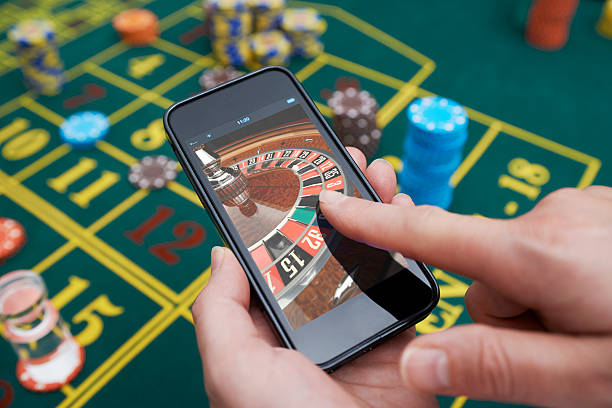
Advancements in technology have revolutionized the gambling landscape, impacting cultural perceptions significantly. The introduction of online casinos and mobile betting platforms has made gambling more accessible than ever before. This accessibility has contributed to the normalization of gambling in many societies, allowing individuals to engage in these activities from the comfort of their own homes. However, this shift has raised concerns about the potential for addiction and financial mismanagement, as the ease of access can lead to impulsive behavior.
Moreover, the rise of cryptocurrency in gambling, particularly platforms that accept Solana, has introduced a new layer of complexity. Cryptocurrencies offer users anonymity and faster transactions, appealing to a tech-savvy demographic. This innovation is reshaping cultural perceptions by framing gambling as a cutting-edge, modern activity. Yet, it also brings forth challenges regarding regulation and consumer protection, prompting discussions about the ethical implications of anonymous gambling.
As technology continues to evolve, the cultural landscape surrounding gambling will likely shift further. Virtual reality casinos and gamified betting experiences are emerging trends that could redefine how societies perceive gambling. While these innovations promise enhanced engagement and entertainment, they also demand a careful evaluation of their impact on individuals and communities. Balancing technological advancement with responsible gambling practices will be critical in navigating this evolving landscape.
The Impact of Gambling on Society and Economy
Gambling plays a multifaceted role in society, influencing both economic and social dynamics. On one hand, legal gambling can generate substantial revenue for governments through taxes and licensing fees, funding public services and infrastructure projects. In regions where gambling is a major industry, such as Las Vegas or Macau, the economic benefits are significant, creating jobs and boosting tourism. This positive economic impact can lead to a more favorable cultural perception of gambling as a contributor to local prosperity.
However, the societal costs associated with gambling cannot be overlooked. Problem gambling can lead to financial ruin, strained relationships, and increased rates of crime and mental health issues. These negative effects often foster stigma and resistance to gambling within communities. The challenge for societies is to reconcile the economic benefits of gambling with the potential for harm, ensuring that responsible gaming measures are in place to support those at risk.
Additionally, public health campaigns aimed at educating individuals about the risks of gambling can help mitigate its negative effects. Such initiatives encourage a balanced view of gambling, fostering an understanding that while it can be an enjoyable activity, it carries inherent risks. By addressing both the positive and negative aspects of gambling, societies can create a more nuanced cultural narrative that encourages responsible participation and support for those affected by gambling-related issues.

Exploring Resources for Responsible Gambling
For individuals interested in exploring the world of gambling, resources like Top Solana Casinos provide valuable insights into safe and entertaining gaming experiences. This platform serves as a comprehensive guide, allowing users to find casinos that accept SOL deposits while prioritizing user safety and satisfaction. By reviewing various casinos based on factors such as licensing, game variety, and customer support, it empowers players to make informed choices.
Understanding the importance of responsible gaming, this resource highlights financial management tips, ensuring that players engage in gambling activities without compromising their well-being. The emphasis on transparency and privacy through blockchain technology not only enhances user trust but also encourages a more responsible approach to gambling. With a focus on education and awareness, Top Solana Casinos advocates for a balanced gaming experience that respects individual limits.
By offering expert reviews and thorough evaluations, Top Solana Casinos contributes to a cultural shift in gambling, promoting an image of gaming as a fun and safe pastime. As society continues to navigate the complexities of gambling perceptions, platforms like this play a crucial role in fostering a responsible gaming culture that benefits individuals and communities alike.