The psychology behind why we gamble Understanding the risks and rewards
The allure of gambling
Gambling captivates many due to its promise of instant gratification and the thrill of risk-taking. The appeal often lies in the chance of winning something substantial with little investment. This excitement triggers the brain’s reward system, releasing dopamine, the chemical associated with pleasure. Even the possibility of winning can create a sense of euphoria, driving people to seek out gambling experiences repeatedly. For more information, visit https://changingtidessolutionsinc.com/, which provides insights into participating in this dynamic environment.

This psychological thrill can lead individuals to underestimate the risks involved. Many players become overly confident, believing they can beat the odds, which fuels their desire to continue gambling. This cognitive bias reinforces the cycle of risk and reward, making it difficult for individuals to recognize the potential dangers of addiction.
The role of psychology in gambling behavior
Cognitive biases, such as the illusion of control and gambler’s fallacy, often lead individuals to misinterpret their chances of winning. The illusion of control refers to the belief that one can influence outcomes that are purely random. This misconception can motivate continued gambling despite previous losses.
Additionally, many gamblers experience a phenomenon known as “chasing losses,” where they continue to gamble in an attempt to recover lost money. This behavior can escalate quickly, leading to significant financial and emotional distress. Understanding these psychological mechanisms is crucial for recognizing when gambling becomes problematic.
The impact of environment and social factors
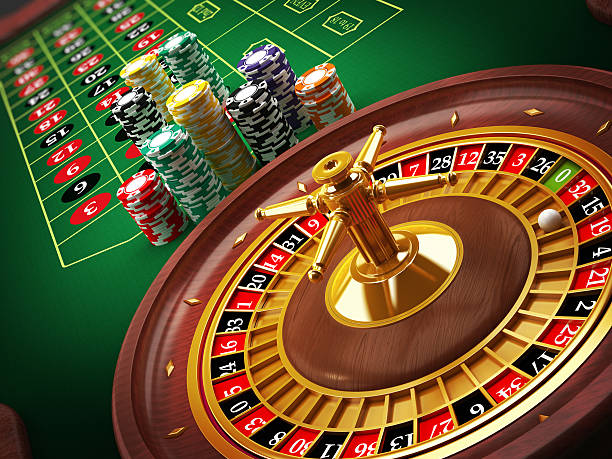
The environment in which gambling takes place significantly influences behavior. For example, casinos are designed to be inviting and immersive, with bright lights and enticing sounds that enhance the gambling experience. This carefully crafted atmosphere keeps players engaged and may lead them to spend more time and money than they initially intended.
Social factors also contribute to gambling habits. Many individuals are introduced to gambling through friends or family, which can normalize the behavior and make it seem more acceptable. The social aspect of gambling can enhance enjoyment but also create peer pressure to continue playing, increasing the risk of developing unhealthy gambling patterns.
Understanding risks versus rewards
While gambling can offer the potential for financial gain, it is essential to weigh these rewards against the inherent risks. The thrill of winning can be exhilarating, but the reality is that most players will experience losses over time. Understanding the odds and acknowledging the probability of losing can help individuals make more informed decisions about their gambling activities.
Moreover, recognizing the signs of problematic gambling is crucial for maintaining a healthy relationship with gaming. Setting limits on time and money spent on gambling can mitigate the risks and help preserve the enjoyment without falling into the traps of addiction.
Your guide to responsible gaming
For those looking to engage in gambling responsibly, it’s essential to find the right platform that prioritizes player safety and well-being. Our website offers comprehensive guides and reviews on top-rated casinos, ensuring you have access to secure and enjoyable gaming experiences. By providing valuable information on game selection, bonuses, and responsible gaming practices, we aim to empower players to make informed choices.
Whether you’re a novice or a seasoned player, understanding the psychological aspects of gambling can enhance your experience. Join us to learn more about how to enjoy gambling responsibly while recognizing both its risks and rewards.